Six nights on the Moroccan coast at Taghazout Bay. Two daily yoga practices, three meals at the shared table, and the Atlantic outside the window. A small cohort of ten, in a studio you walk to in slippers.
Founding guests receive 15% off any future retreat for life and first access to all new dates.
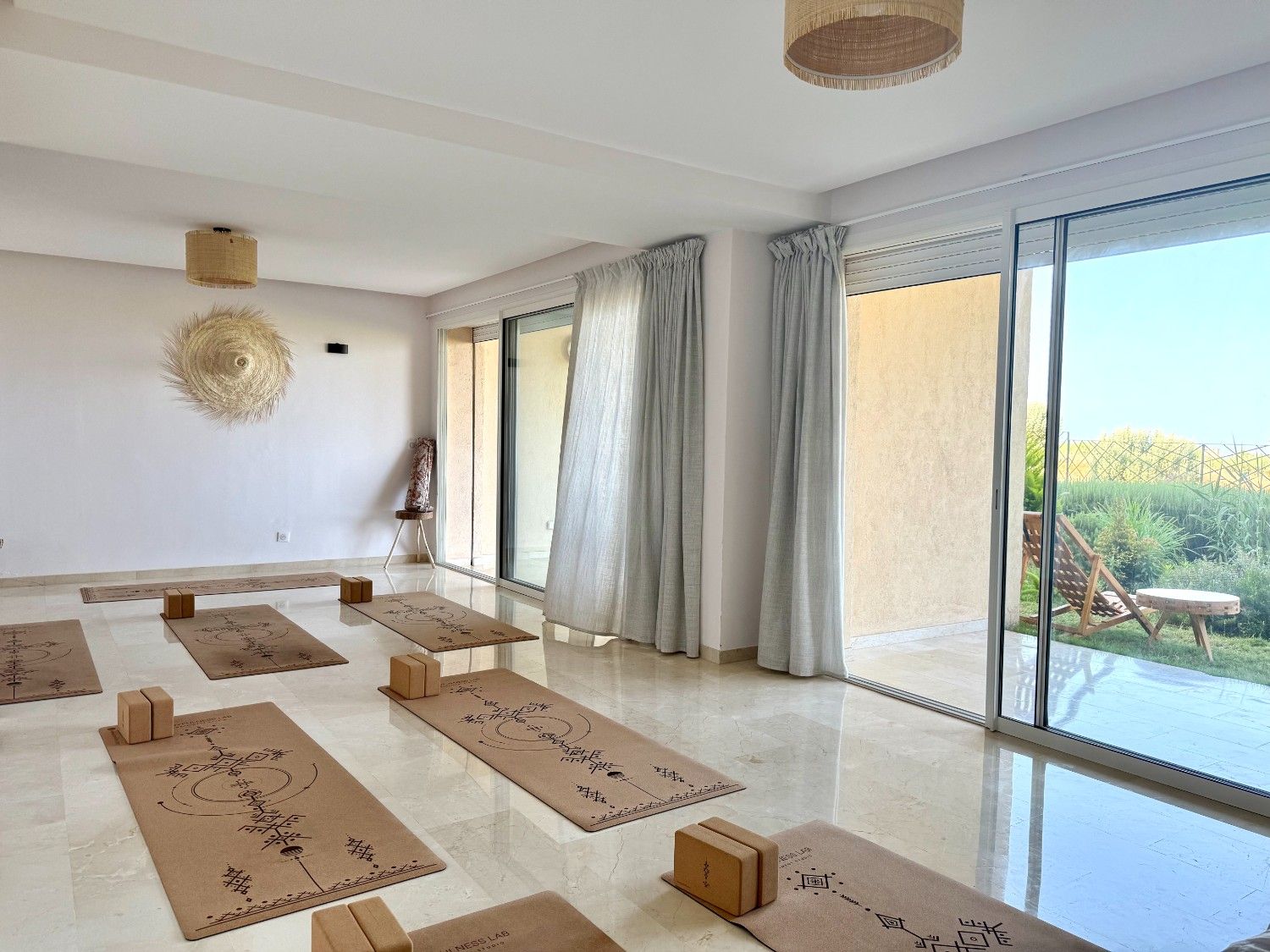
The yoga lab is built around what the body actually does: move, breathe, touch, rest, sense. Marble floor, good light, excellent props, the sound of the ocean in the quiet moments between cues.
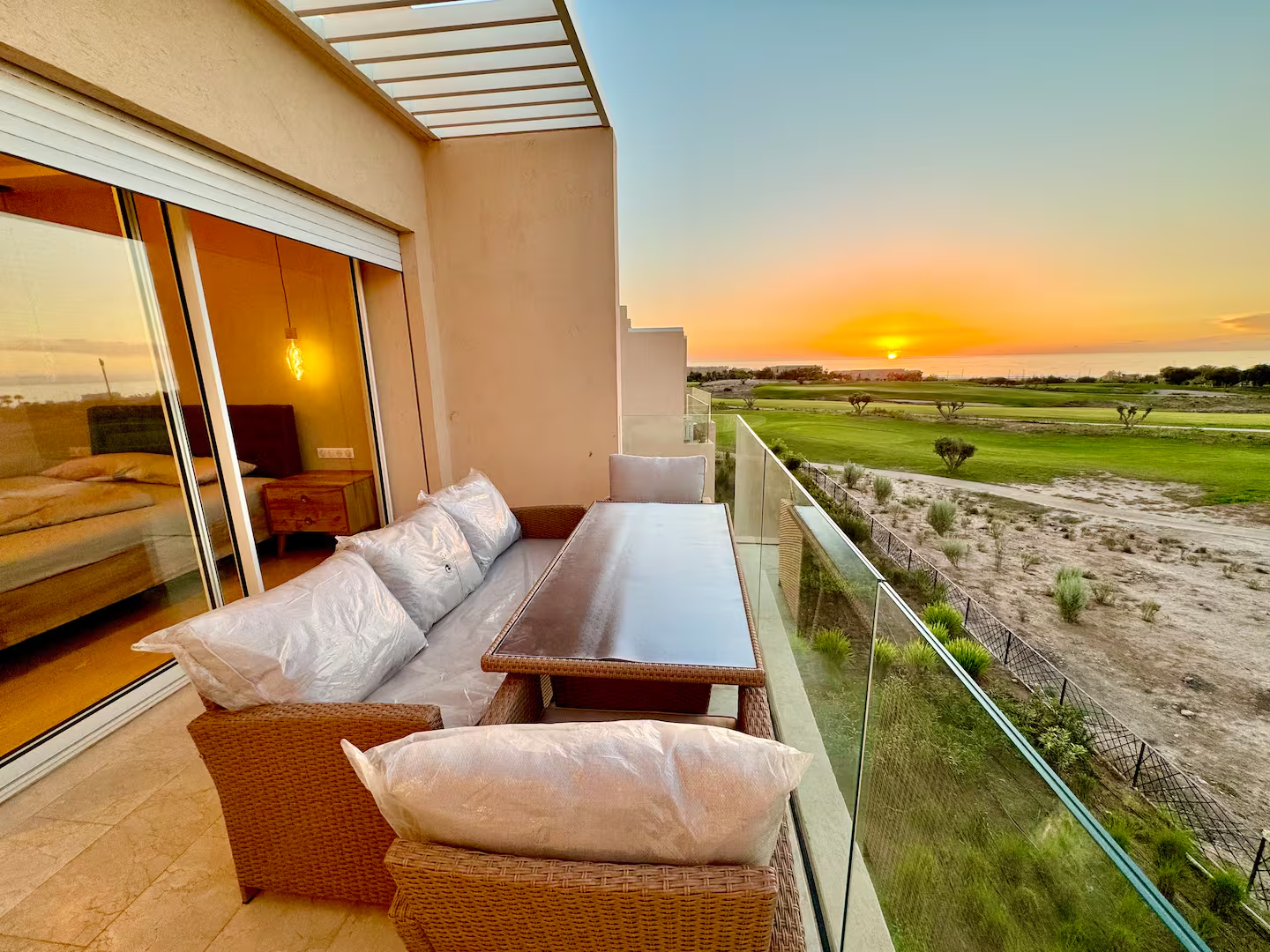
Large glass doors open onto the landscape — golf stretching out in front, and beyond it, the Atlantic. Holds up to twelve practitioners. Small enough to be personal. Large enough to teach well.
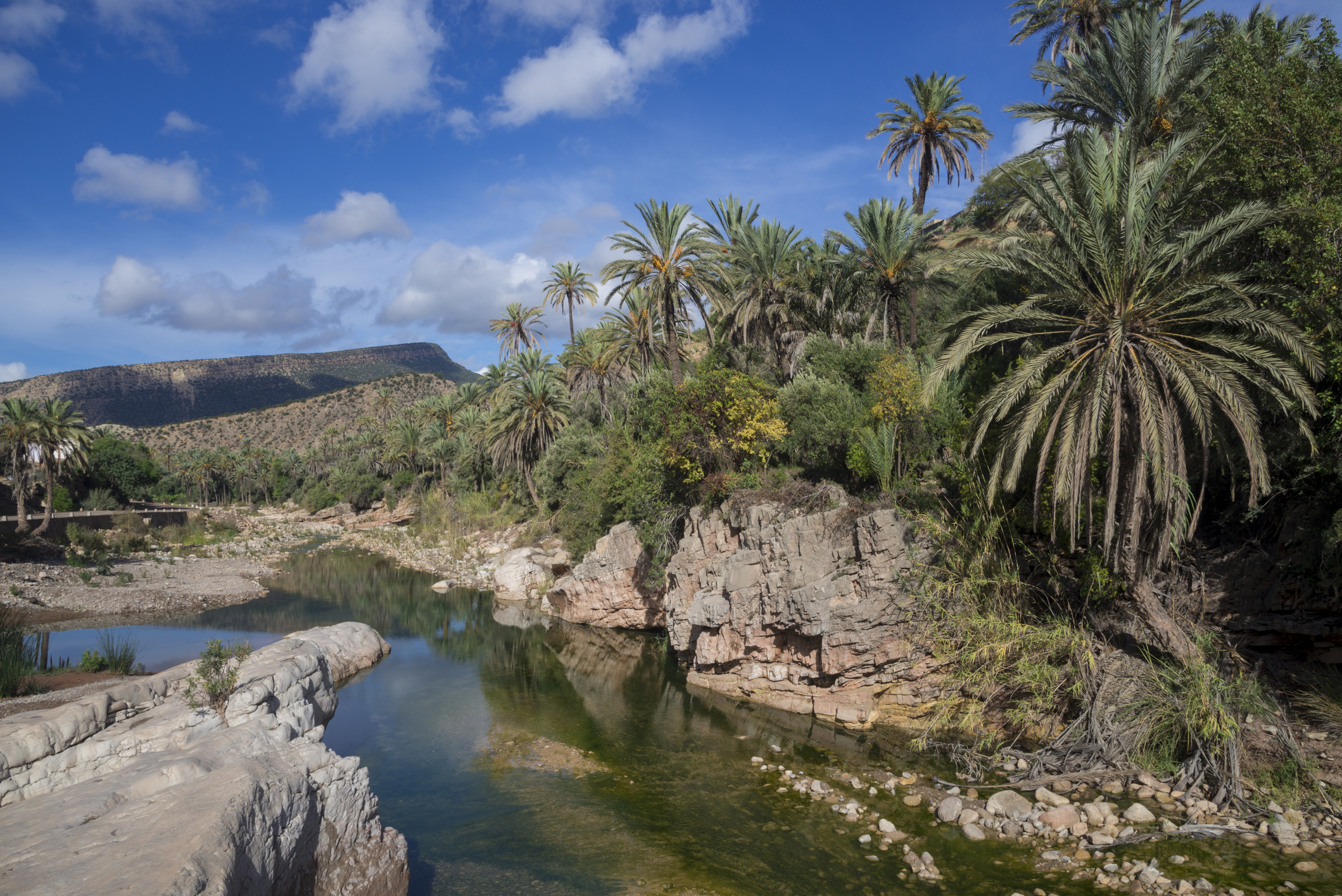
The lab sits at the centre of Taghazout Bay, Morocco's first eco-resort coastline — argan trees on the hills, a long clean Atlantic coast, gentle pace.
To the right, Taghazout (4.5 km) — the old Berber fishing village the coast was named after, with boats on the sand and markets of argan, spices and ceramics. To the left, Tamraght (1.3 km) — smaller, climbing a mountain facing the sea, now quietly home to surfers and long-stay travellers.
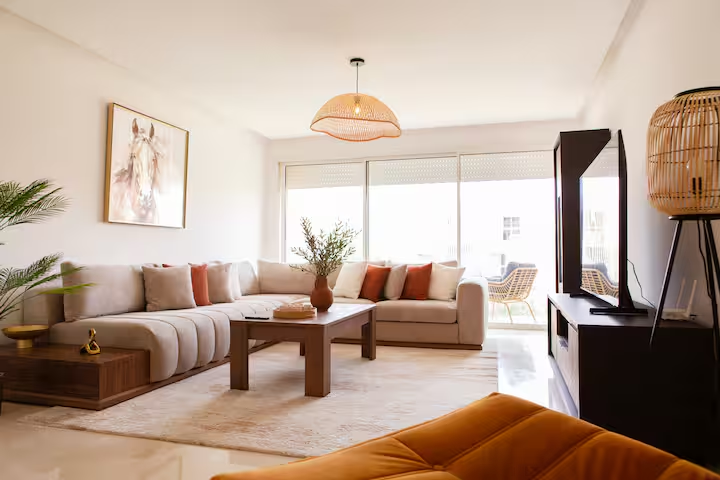
Every guest has a private apartment inside the grounds. The windows open onto a long, quiet view, golf greens on one side, the Atlantic on the other, a lot of sky in between. It is the kind of view that empties out rather than fills up.
It is also unusually safe. You can leave a door open. Nothing closes here, and nothing needs to.
Sun on this coast almost the entire year, with the late afternoon turning the colour of Amlou. Climate stays mild all season.
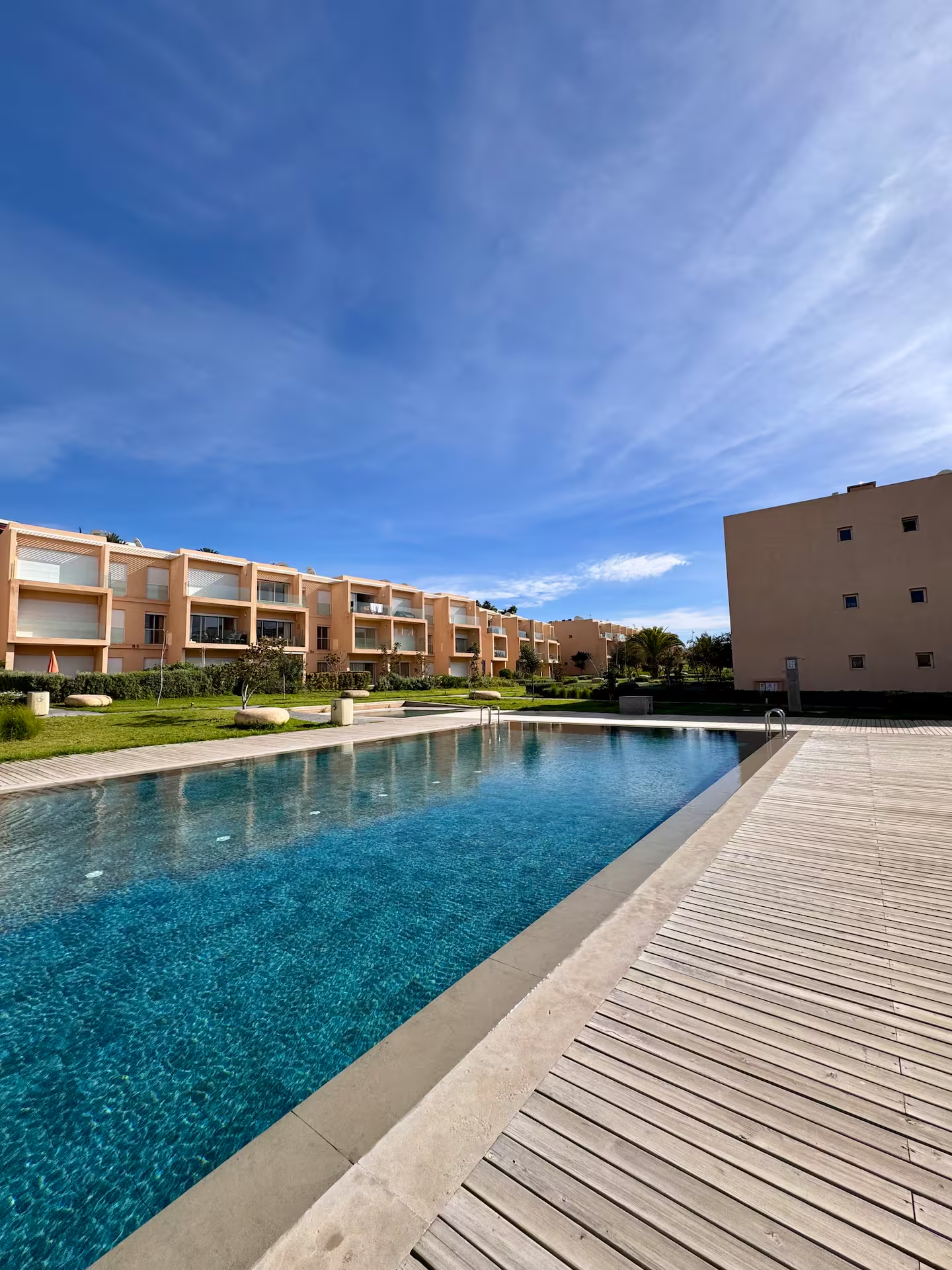
Staffed gatehouse, enclosed grounds, quiet at night. Most guests stop closing their door by day three.
A five-kilometre Atlantic coast between the two villages. One of Morocco's legendary surf stretches, all levels, year-round.
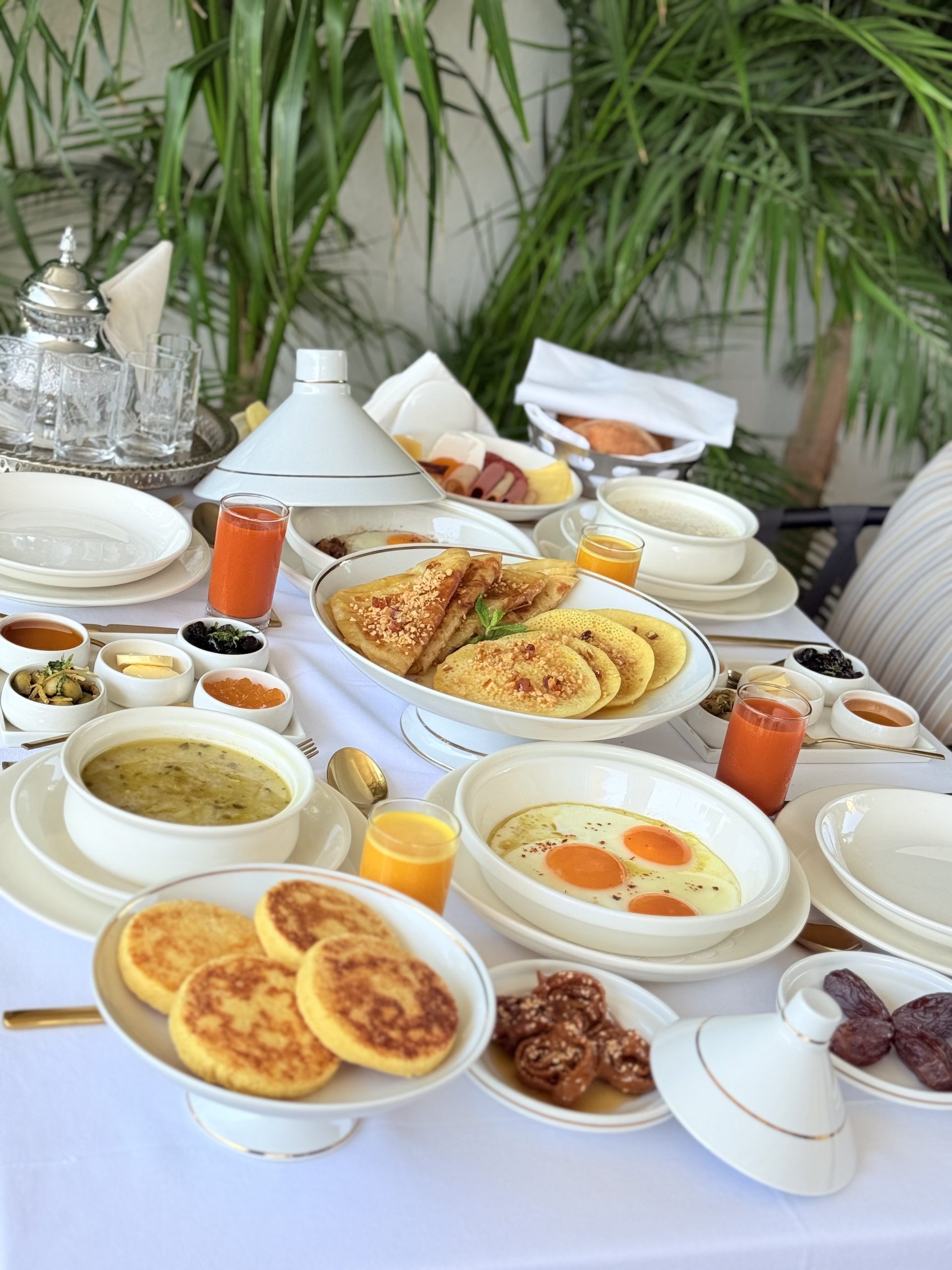
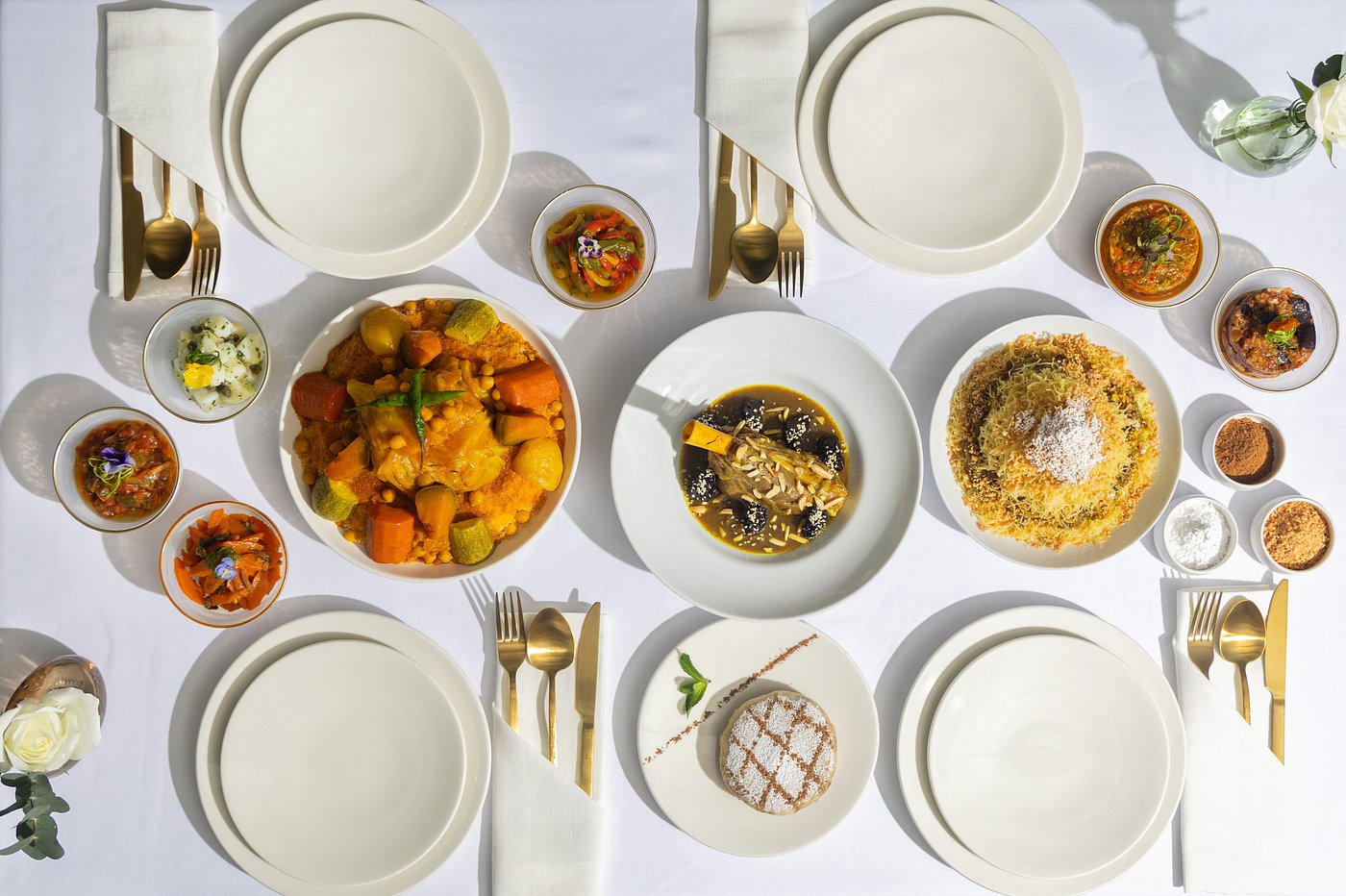
Three Moroccan meals a day, served at one long table, in the Moroccan way. Breakfast is bread, olive oil, Amlou, fresh fruit, mint tea. Lunch is the main meal, tagine, couscous on Fridays, fish from the boats in the port of Taghazout. Dinner is lighter, soups, salads, something warm from the oven.
We call it the Shared Table because it is not a buffet and it is not plated in a restaurant. You sit facing other people. You pass the bread. You eat with your hands if you want to. This is not a wellness decoration. It is how Moroccans eat, and it is part of the practice.
Eating together around the table is a form of presence.
No deposit, no pressure. We'll write back personally within 48 hours, from a real email address.
Some decisions are easier spoken than typed. If a conversation would help, the line is open.
WhatsApp Morocco, GMT+1The grounds speak for themselves. So does the light.